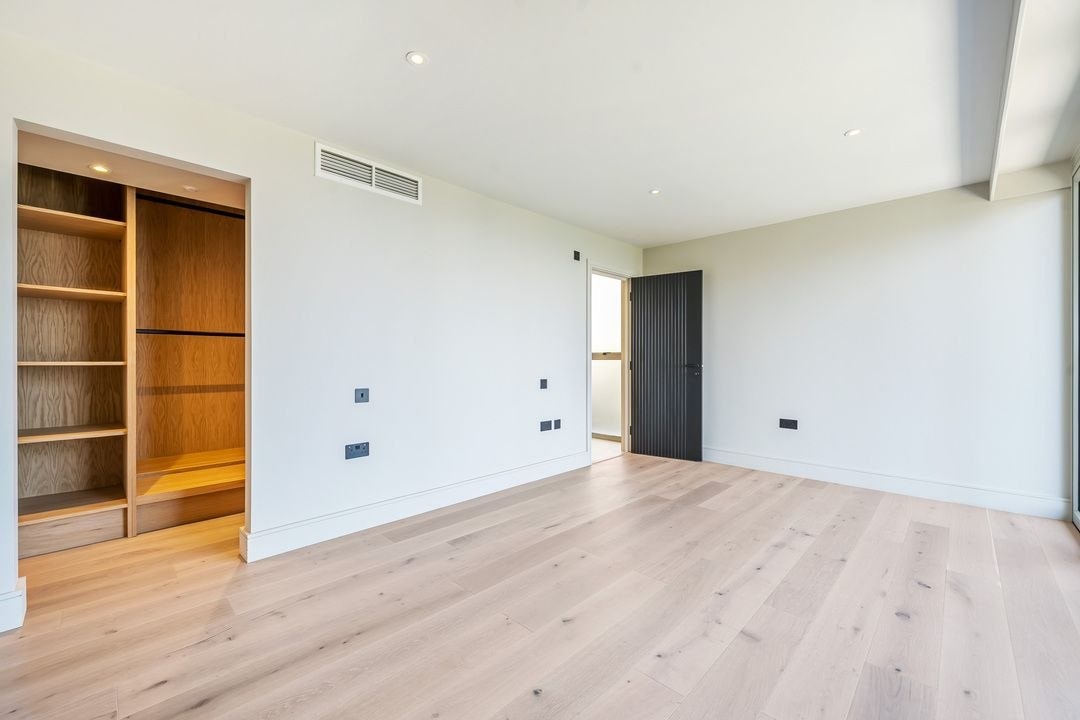
Best fitted wardrobe ideas for Cornish cottages is written for Cornwall cottage owners, second-home owners and holiday-let hosts planning bedroom storage who need practical decisions, not generic home-improvement ideas. Standard freestanding wardrobes often waste the most useful corners of a cottage bedroom, especially where walls are uneven, ceilings slope or guests need space for luggage. In Cornwall, the same job also has to account for sea air, narrow access, older cottage fabric, seasonal booking pressure and remote ownership. A good plan should protect the property, reduce call-outs and make the next repair easier to diagnose. Coast & Quay treats this as part of wider Property Care, where small details are recorded before they turn into avoidable disruption.
Why fitted wardrobes for Cornish cottages matters for Cornwall properties
Cornish cottages often combine thick walls, low ceilings, narrow staircases and bedrooms that were never designed around modern storage. In coastal towns such as St Ives, Falmouth, Padstow and Penzance, owners also have to think about damp, ventilation and guest turnover. Cornwall properties rarely fail in one dramatic moment. More often, small stresses accumulate: doors move after a damp winter, paint breaks down on exposed elevations, storage becomes overloaded during peak season, or a quick temporary repair becomes part of the property for years. Owners who plan improvements around these patterns usually spend less over time because work is scoped before the busy months and before minor snags become guest-facing problems.
For holiday-let owners, timing is just as important as the technical detail. A small repair that would be merely inconvenient in February can affect reviews, refunds and cleaner handovers in August. When a problem threatens an upcoming booking, the right route is often a fast triage request through Holiday Let Rescue. When the issue is predictable or recurring, it belongs in a planned care rhythm so the owner is not repeatedly reacting at short notice.
Cornwall-specific pressure points
Coastal weather and older building fabric
Salt air, high humidity and wind-driven rain shorten the life of coatings, fixings and exposed timber. Older Cornish cottages can also have uneven walls, limited ventilation, shallow cupboards, compact stair runs and awkward alcoves. A design or repair that works in a modern inland property can feel wrong here unless it allows for airflow, access, cleaning, guest use and seasonal damp.
Remote owners and fast handovers
Remote owners should send photos of the whole room, not just the alcove, so hanging space, drawers, sockets, radiators and door swings can be planned together. Clear photos, access notes and a short job history make a big difference because they help the tradesperson arrive with the right assumptions. Owners should also check whether the property sits inside the normal service area before setting guest deadlines or promising a completion date to an agent.
How to plan the work before it becomes urgent
Start by measuring the awkward spaces rather than the obvious wall. Alcoves, chimney-breast returns, eaves and the shallow end of a sloping ceiling can become the most valuable storage if the joinery is designed around real use. The best first step is to decide whether the work is a repair, a refresh or a long-term improvement. Repairs protect safety and bookings. Refreshes improve appearance and usability. Long-term improvements should reduce future maintenance, not just look good for a few weeks. If the brief is unclear, send photos and priorities through Contact so the job can be triaged before arranging a visit.
Budgeting should include labour, materials, access, waste, finishing and the cost of downtime. In a holiday let, downtime can be more expensive than the work itself, so it is often better to schedule planned improvements in shoulder months. For landlords and second-home owners, the priority is traceability: keep notes of what was checked, what was deferred and what should be inspected next.
Practical actions for owners
- Measure ceiling height at both sides of each alcove because cottage rooms are rarely square.
- Decide whether the priority is hanging space, guest luggage space, linen storage or owner-only cupboards.
- Include ventilation gaps where wardrobes sit against colder exterior walls.
- Choose handles and hinges that can cope with repeated guest use and easy cleaning.
- Keep at least one cupboard or top shelf reserved for owner supplies in holiday lets.
- Photograph sockets, skirting, radiators and window reveals before requesting a quote.
Materials, detailing and maintenance cycles
Wardrobe materials should cope with moisture movement and repeated use. Painted MDF, hardwood lippings, adjustable hinges and ventilated back details are often more practical than heavy freestanding furniture in small coastal rooms. Cornwall owners should favour robust fixings, wipe-clean finishes, simple access panels, sealed edges and details that can be inspected quickly. The goal is not to overbuild every detail; it is to choose materials that suit the amount of use and exposure the property actually receives.
This is where Care Plans can be useful. A care plan turns scattered repairs into a repeatable maintenance rhythm, with inspection notes and priorities kept in one place. That matters for Cornwall property owners because coastal wear is seasonal, and because many problems are easier to prevent than to fix after a peak-season failure.
Seasonal checklist for Cornwall owners
Plan fitted wardrobes outside peak booking windows, ideally after winter moisture patterns are visible and before spring decorating starts. Spring should focus on guest readiness, decking, doors, exterior movement and small repairs. Summer should prioritise safety, quick response and protecting bookings. Autumn is the best time to plan bigger works after the main season. Winter is useful for inspections, moisture checks, ventilation improvements and upgrades that would be disruptive during changeovers.
A sensible checklist also separates owner-only spaces from guest-facing areas. Linen cupboards, cleaner storage, plant rooms and owner cupboards all need to work reliably, because hidden clutter eventually leaks into the guest experience. When every area has a purpose, cleaners work faster, owners get clearer feedback and small defects are easier to spot.
Common mistakes to avoid
The most common mistake is treating the visible symptom as the whole problem. A sticking door may be a hinge issue, but it can also point to moisture movement. A damaged threshold may be a one-off impact, but it can also show poor drainage. A cluttered bedroom may need better wardrobes, but it may also need a separate owner storage strategy. Good property care looks for the pattern behind the snag.
The second mistake is leaving decisions until the property is already under pressure. In Cornwall, summer availability, supply lead times and guest changeovers make reactive planning expensive. Owners who document defects and agree priorities early have more choice over materials, appointment timing and repair method.
FAQ
Are fitted wardrobes worth it in a small Cornish cottage?
Yes, fitted wardrobes usually make more sense than freestanding furniture in small Cornish cottages because they use alcoves, eaves and uneven corners that standard furniture leaves empty.
How do I stop fitted wardrobes from trapping damp?
Use ventilated backs, avoid sealing cold exterior walls completely, leave sensible airflow gaps and check the room's heating and ventilation before fitting full-height storage.
What wardrobe layout works best for holiday lets?
Holiday lets usually need simple hanging space, drawers for short stays, luggage space and one lockable or owner-only section for spare linen, cleaning supplies or maintenance items.
Can fitted wardrobes work with sloping ceilings?
Yes. Sloping ceilings are often ideal for made-to-measure joinery because the low section can hold shelves, drawers or luggage storage while full-height sections provide hanging space.
Should wardrobes be painted or timber finished?
Painted finishes suit many cottages because they brighten compact rooms and are easy to refresh. Timber details can add warmth but should be chosen with moisture movement in mind.
How should I prepare for a fitted wardrobe quote?
Send wide room photos, alcove measurements, ceiling height, access details and a short note explaining what currently does not work about the room.
Related articles
More Cornwall property care guides
Property care · 10 min
Why coastal properties deteriorate faster: owner's guide
Why salt air, humidity, UV exposure and wind-driven rain shorten maintenance cycles for Cornwall coastal homes.
Read guideHoliday lets · 12 min
Holiday let maintenance checklist for Cornwall owners
A pre-season and changeover checklist for keeping Cornwall holiday lets safe, guest-ready and bookable.
Read guideOutdoor timber · 11 min
Decking ideas for coastal homes
Materials, fixings and layout ideas for Cornwall decking exposed to weather, salt air and heavy use.
Read guide